



Description
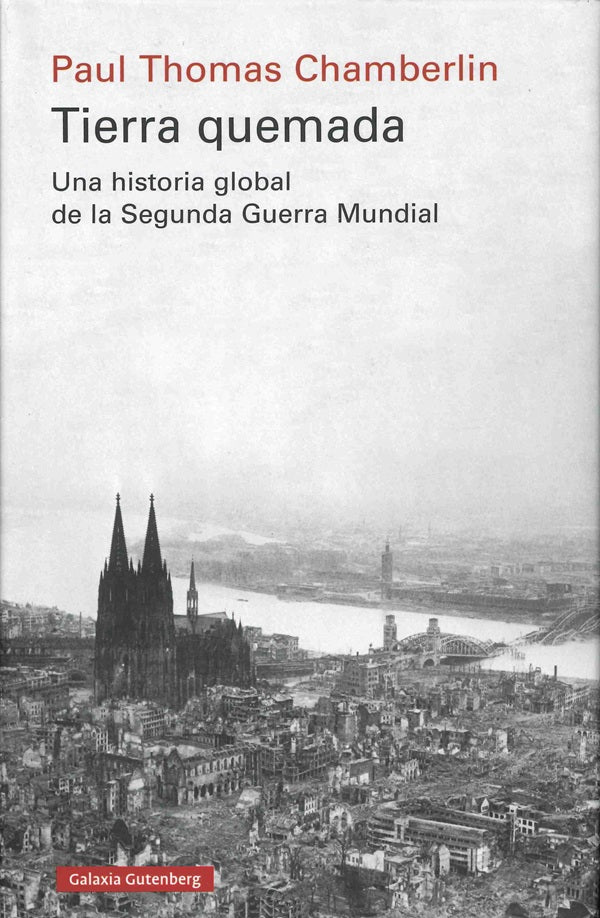
xWorld War II is probably the most studied conflict in human history. Yet the vast majority of works offer a surprisingly one-dimensional interpretation of it. They present it as a good war, a crusade against fascism, and a battle of the free and democratic world against those who sought to end it: a parable of the evils of totalitarianism and the triumph of the democratic order led by the United States. This book attempts to peel back the layers of mythology shrouding World War II and challenge prevailing interpretations of the conflict. It breaks with standard explanations of the war and argues that the central dimensions of the conflict were race and empire. It approaches World War II as a confrontation deeply rooted in the broader context of world history. In doing so, it attempts to excavate the colonial foundations of the war and trace its imperial aftermath. Geographically, therefore, the book shifts away from the beaches of Normandy to place greater emphasis on the bloodiest theaters of operations in Eastern Europe and East Asia. Ultimately, Scorched Earth argues that the war's legacy was not so much the destruction of fascism, racism, and imperialism, but the creation of a postwar order in which highly militarized neo-imperial states prepared for perpetual war and the prospect of nuclear annihilation. Our collective amnesia regarding the war's colonial origins and its imperial consequences has stripped the conflict of its meaning and turned it into a twentieth-century fairy tale. This book aims to place our view of the Second World War in its proper place in the broader landscape of modern world history. Against this backdrop, the Second World War emerges as the culmination of centuries of colonial expansion and the catalyst for the re-inscription of imperialism under the aegis of Cold War geopolitics.
Additional Information
xPages: 728
Format: Paperback
BISAC Code: HIS027100
- Choosing a selection results in a full page refresh.