

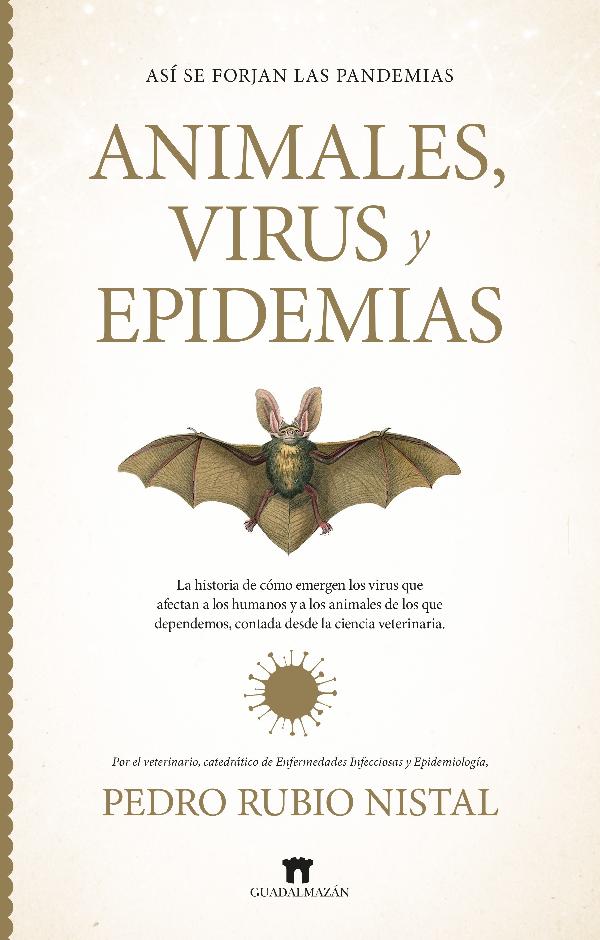
How Pandemics are Forged. Animals, Viruses, and Epidemics
Author: Pedro Rubio Nistal
PubDate:
2026-08-04


Description
xIn 1896, bacteriologist Ernest Hankin studied the Ganges and discovered something he could not explain. The river, despite receiving the half-burned remains of thousands of corpses, did not spread cholera. There was something invisible in the water that killed bacteria. Twenty years later, Félix d’Herelle found it in the feces of soldiers recovering from dysentery and called it a bacteriophage: “the one that eats bacteria.” They were viruses. D’Herelle dedicated his life to using them against infections; he was nominated for the Nobel Prize eight times without ever receiving it, and his work was buried when antibiotics arrived. Today they have returned. The Ganges may have been right. Human, animal, and environmental health form a single system. When the general public discovered the meaning of words like zoonosis, strain, cytokine storm, or aerosol transmission, Pedro Rubio had already been working with them for four decades. Professor Emeritus of Infectious Diseases at the Faculty of Veterinary Medicine in León, he has witnessed major animal epidemics firsthand, has handled swine coronaviruses in the laboratory, and applied — long before they made headlines — the same measures of quarantine, isolation, bio-containment, and vaccination that the COVID-19 pandemic brought to the forefront of public debate. For veterinarians, none of this was new. This book is the fruit of that experience. It explains what viruses are and how they cause disease, why new epidemics emerge, and what role intensive livestock farming, the loss of ecosystems, and the ceaseless movement of people and goods play in this. It traces pandemics that ravaged millions of animals — rinderpest, porcine reproductive syndrome, African swine fever — and that the public never heard about, even though they should have served as a warning. It explains the fascinating world of constantly evolving swine coronaviruses and the extraordinary relationship between bats and viruses: animals that have coexisted for millions of years with Ebola and Marburg without getting sick, and whose immunological secret science has not yet fully deciphered. And it ends where few virology books go: with giant viruses, zombie viruses rescued from the permafrost, and bacteriophages — viruses that kill bacteria and may be our next line of defense against antibiotic resistance.
Additional Information
xPages: 400
Imprint: Guadalmazán
Format: Paperback
Collection: Divulgación Científica
BISAC Code: SCI045000
- Choosing a selection results in a full page refresh.