



Description
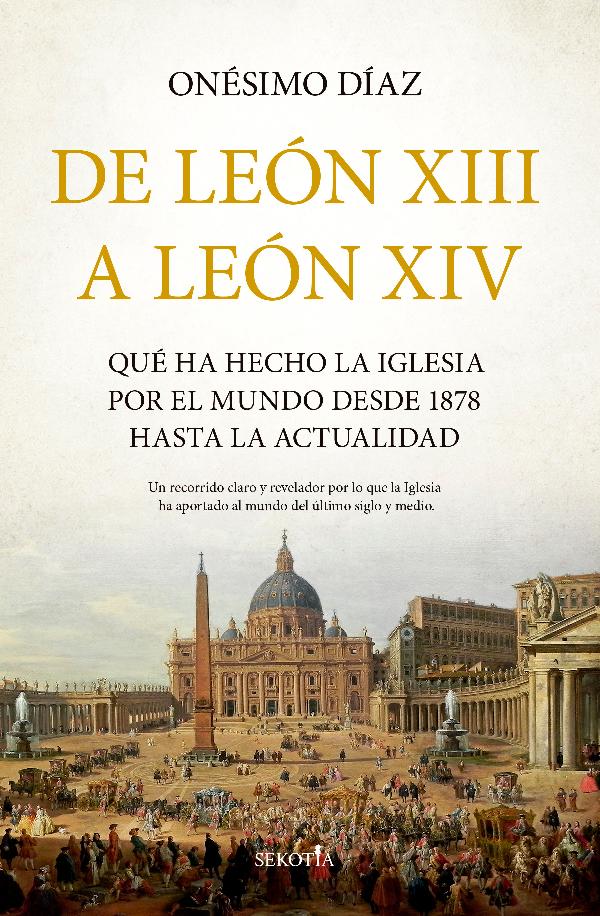
x¿Qué ha aportado realmente la Iglesia católica al mundo que habitamos? Esta pregunta, tan sencilla en apariencia como decisiva para comprender nuestra historia reciente, es el punto de partida de De León XIII a León XIV, un libro que invita a mirar los últimos ciento cincuenta años desde una perspectiva poco transitada: la del magisterio, la acción y la influencia cultural de los papas. A través de un tono cercano y explicativo, el autor recorre los grandes debates que han marcado la modernidad: democracia y dictaduras, libertad y derechos humanos, guerras mundiales y procesos de paz, ecología, educación, papel de la mujer, cultura popular y los dilemas sociales que siguen vivos en pleno siglo XXI. Desde la Rerum novarum hasta las encíclicas recientes, pasando por momentos críticos de la política internacional, este libro muestra cómo la Iglesia no ha sido un espectador pasivo, sino un actor que ha acompañado, advertido, dialogado y, en ocasiones, impulsado cambios decisivos. El libro recorre los grandes escenarios donde se ha jugado la historia reciente —la democracia y los totalitarismos, las guerras y los procesos de paz, los derechos humanos, el trabajo, la secularización, la ecología o el papel de la mujer— y muestra cómo la Iglesia ha intervenido en ellos no como poder político, sino como actor moral, cultural e intelectual, a menudo incómodo, a veces decisivo, nunca irrelevante. Junto al análisis histórico y teológico, el autor introduce un recurso poco habitual en este tipo de obras, el diálogo constante con el cine, la literatura y la cultura popular, novelas y películas funcionan aquí como una vía privilegiada para comprender los dilemas humanos de cada época, allí donde los documentos eruditos no alcanzan a mostrarlo todo. Con un estilo claro, accesible y riguroso, este libro ofrece una invitación a comprender por qué la Iglesia es una presencia insoslayable en la historia del mundo contemporáneo.
Additional Information
xPages: 232
Imprint: Sekotia
Format: Paperback
Collection: Biblioteca de Historia
BISAC Code: HIS000000
- Al elegir una selección, se actualiza la página completa.